


Serving Las Vegas, Henderson & the Surrounding Areas


Beat the Mojave Heat: Protecting Your EV Charger in 120°F Las Vegas Garages
Giving Our Customers the Power Since 2010



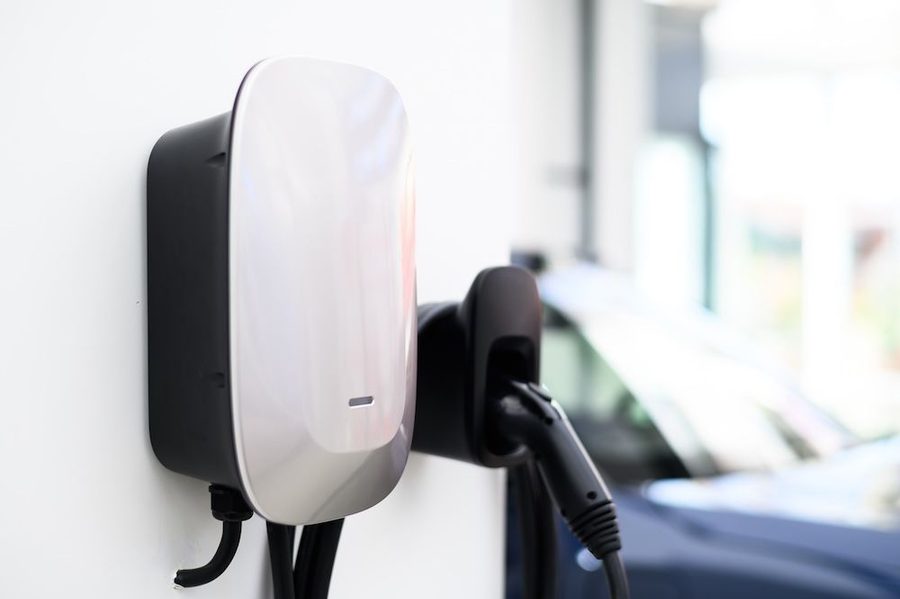
Driving an electric vehicle in the Mojave Desert offers incredible perks: instant torque, smooth highway cruising down I-15, and skipping gas station lines under the scorching desert sun. However, park your car inside a closed Las Vegas garage in July or August, and your EV infrastructure faces an extreme environmental enemy: relentless, trapped heat.
When ambient outdoor temperatures hit 110°F to 115°F in Summerlin, Henderson, or North Las Vegas, an unconditioned, closed garage acts like a dry oven, easily soaring past 120°F to 130°F.
Exposing your Level 2 home charging station to high ambient heat triggers internal thermal throttling, slows down charge speeds, and accelerates mechanical component wear. ECO Electric has been delivering trusted, code-compliant residential and commercial electrical solutions across the Las Vegas Valley for over 15 years. This practical guide breaks down how extreme desert heat impacts your EV charger, how thermal throttling works, and how to safeguard your home charging setup.
The Mojave Garage Effect: 120°F+ Thermal Pressure
To understand why your EV charger struggles during a Southern Nevada summer, it helps to look at the physics of garage heat retention.
A standard two-car or three-car garage absorbs radiant heat through roof shingles, uninsulated garage doors, and stucco exterior walls throughout the day. Because garages lack air conditioning vents and active airflow, heat accumulates inside the space.
When you plug in your electric vehicle, high-voltage 240-volt current (typically 32 to 48 amps) flows continuously through your charger’s internal circuit board, contactors, and heavy-gauge cable. Electric current inherently generates heat through electrical resistance. When you combine 130°F ambient garage air with the internal heat generated by 48-amp continuous charging, internal component temperatures can spike past safety limits.
4 Ways Extreme Heat Attacks Your EV Charger
Modern Level 2 charging stations are sophisticated computers equipped with internal thermal sensors. When exposed to extreme Mojave heat, several operational liabilities occur:
1. Severe Thermal Throttling (Slow Charging Speeds)
To prevent internal electrical components from melting or catching fire, smart charging units (such as Tesla Wall Connectors, ChargePoint Home Flex, or JuiceBox units) automatically engage thermal throttling.
-
When internal sensors cross threshold temperatures (typically around 122°F to 140°F), the unit forcibly reduces power delivery, dropping a 48-amp charge down to 24 amps, 12 amps, or stopping power delivery entirely until the unit cools down.
-
A charge cycle that should take 4 hours can stretch to 8 to 10+ hours, leaving you with an undercharged battery by morning.
2. Circuit Breaker Nuisance Tripping
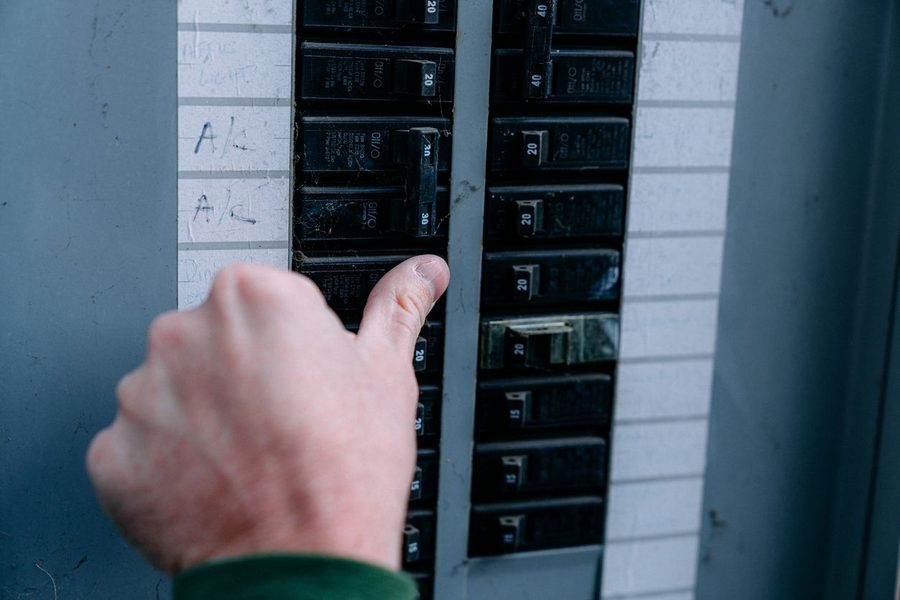
Thermal-magnetic circuit breakers inside your main electrical panel rely on internal bi-metallic strips that bend when exposed to heat. If your electrical panel is located on an exterior wall facing the afternoon sun or inside a hot garage, high ambient temperatures lower the breaker’s trip threshold. A standard 50-amp or 60-amp breaker may trip under normal continuous loads simply because the surrounding air is too hot.
3. Degradation of Charging Cable and Handle Materials
Repeated exposure to extreme heat degrades the flexible rubber and synthetic insulation jacketing on your charging cable. Over time, heat causes charging cables to stiffen, crack, and lose flexibility. Additionally, the plastic locking latches and internal pin connectors inside the charging handle can warp, leading to poor contact points and communication faults between the charger and vehicle.
4. Premature Electronic Board Failure
Like any computer, the printed circuit boards (PCBs), Wi-Fi modules, and power relays inside a smart EV charger suffer shortened lifespans when subjected to continuous heat cycles. High heat degrades solder joints and internal capacitors, leading to premature unit failure long before its expected operational lifespan.
5 Practical Strategies to Protect Your Las Vegas EV Charger
Protecting your home charging infrastructure from Mojave heat requires strategic equipment placement, electrical load management, and proper ventilation.
1. Mount the Charger Near Exterior Ventilation (Not Direct Sunlight)
Never install an EV charger where direct sunlight hits the cabinet through open garage doors or side windows. Mount the unit on an interior insulated wall, ideally close to the garage door opening where ambient airflow is highest when the door is operated.
2. Take Advantage of NV Energy Off-Peak Time-of-Use Rates
Avoid charging your vehicle during peak heat and peak utility rate hours (typically 1:00 PM to 7:00 PM in summer). Utilize your vehicle or charger app to schedule charging to start at 11:00 PM or 12:00 AM.
-
Nighttime Cooling: Garage air cools down significantly overnight.
-
Cost Savings: NV Energy’s EV Time-of-Use (TOU) rates offer deeply discounted electricity during super off-peak night hours, saving you money while keeping your charger cool.
3. Hardwire the Unit (Avoid NEMA 14-50 Outlets in High Heat)
While plug-in chargers using NEMA 14-50 wall outlets offer portability, plug-and-receptacle connections introduce physical contact points that generate localized heat resistance. In 120°F garages, plug connections are prone to melting or scorching. Hardwiring your EV charger directly into a dedicated junction box eliminates plug contact points, provides maximum heat dissipation, and allows for safe, continuous 48-amp charging on a 60-amp circuit.
4. Upgrade Wire Gauge for Reduced Electrical Resistance
When running dedicated 240V copper wiring from your panel to the charger, using larger-gauge wire (such as 4 AWG copper instead of 6 AWG copper for long runs) reduces internal electrical resistance. Lower resistance means less heat generated inside conduit pipes running through hot attic or wall spaces.
5. Improve Garage Air Circulation
Consider installing a thermal-controlled garage exhaust fan or insulation kit on your garage door. Pulling superheated air out of the garage attic space lowers ambient temperatures by 10°F to 15°F, keeping your charger and car battery operating within safe thermal zones.
Ensure Code-Compliant, Desert-Proof EV Charging
Installing an EV charger in Southern Nevada requires far more than mounting a plastic box on a wall and flipping a breaker. It demands precise load calculations, high-temperature wire sizing, proper thermal placement, and strict compliance with the National Electrical Code (NEC) and Clark County building standards.
Taking a proactive approach to heat protection prevents nuisance breaker trips, speeds up nightly charging, and preserves the lifespan of both your charging station and your vehicle’s expensive battery pack.
Trust the Certified EV Specialists at ECO Electric
You don’t have to guess at wire gauges or battle Mojave garage heat alone. The licensed, background-checked master electricians at ECO Electric have been providing high-performance residential and commercial EV charger installations, panel upgrades, and electrical service across Las Vegas, Henderson, Summerlin, and North Las Vegas since 2010.
Protect your EV investment today. Contact ECO Electric to schedule your home EV charging service!

Call Eco Electric Today!
Ready to get started? Call Eco Electric today for fast, reliable service you can trust. Our team is here to answer your questions, provide a quote, and schedule your service at a time that works for you.