


Serving Las Vegas, Henderson & the Surrounding Areas


Portable Generators vs. Whole-Home Standby: What Las Vegas Homeowners Need to Know
Giving Our Customers the Power Since 2010



A power outage can interrupt everything from refrigeration and internet access to lighting and air conditioning. In Las Vegas, where summer temperatures can make reliable cooling particularly important, deciding how you would power essential equipment during an outage is an important part of household preparedness.
Portable generators and whole-home standby generators can both provide backup power, but they work very differently. Portable generators generally offer a lower-cost way to power selected essentials, while standby generators provide a permanently installed, often automatic solution capable of supporting more of the home when properly sized. Understanding the differences can help you choose the right backup power option for your Las Vegas home.
What Is the Difference Between a Portable Generator and a Standby Generator?
A portable generator is a movable unit that provides temporary electricity during an outage. Depending on its size and configuration, it may power individual appliances or selected home circuits. Portable generators typically require manual positioning, fueling, starting, and monitoring.
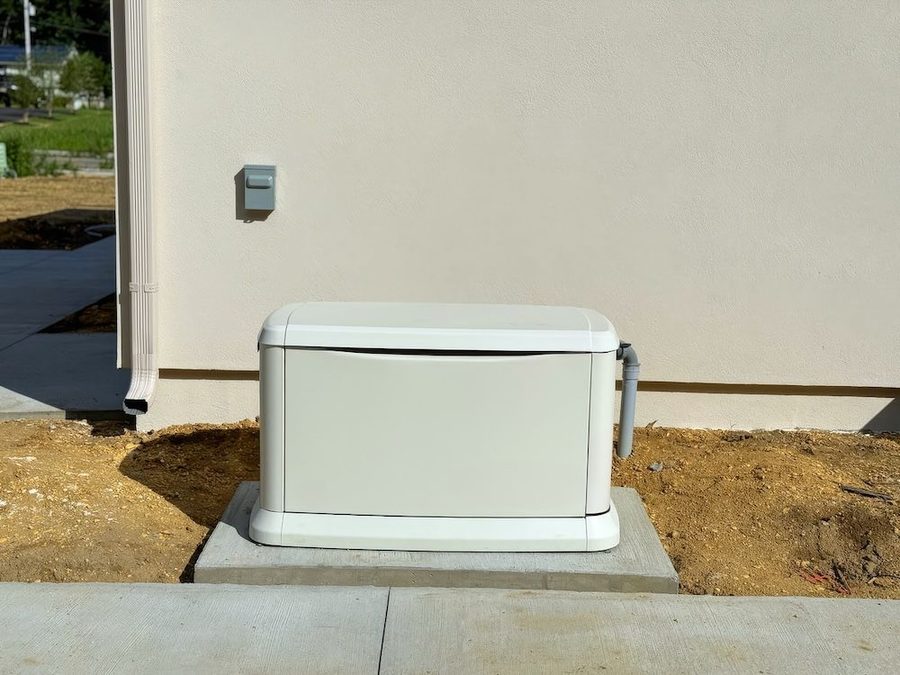
A whole-home standby generator is permanently installed outside and integrated with the home’s electrical system. When equipped with an automatic transfer switch, it can detect a utility outage, start automatically, and supply power to designated household loads.
The biggest differences are capacity, convenience, installation, fuel supply, and cost.
How Does a Portable Generator Work?
Portable generators produce electricity using an engine powered by a manufacturer-approved fuel, which may include gasoline or propane depending on the model.
During an outage, the generator must be placed outdoors in a safe location and started manually. Appliances may be connected according to the generator manufacturer’s instructions, or a properly configured system can supply selected household circuits through approved transfer equipment.
Safe Generator Connections Matter
Never attempt to power household wiring by connecting a portable generator to a home receptacle or using another improvised connection. This practice, commonly called backfeeding, can create dangerous electrical conditions and endanger utility workers, occupants, and equipment.
If you want a portable generator to supply circuits in your electrical panel, an electrician can determine the appropriate transfer equipment and connection method.
How Does a Whole-Home Standby Generator Work?
A standby generator remains permanently installed outside the home. These systems are typically connected to a dedicated fuel source, such as natural gas or propane, depending on the generator and property.
With automatic transfer equipment, the system can recognize when utility power is lost. The generator starts, and the transfer switch safely changes the home’s designated electrical loads from utility power to generator power.
When utility electricity returns, the system transfers the loads back and completes its programmed shutdown process.
This automation is one of the biggest advantages of standby generators, particularly if an outage occurs while you are asleep or away from home.
Portable Generator vs. Standby Generator: Which Is Better?
Neither generator type is universally better. The right choice depends on what you need to keep running during an outage.
A portable generator generally offers a lower initial cost and limited backup power, but requires manual operation and fuel management.
A standby generator involves a larger upfront investment and permanent installation, but can provide automatic backup power and potentially support more household equipment.
Homeowners who only need refrigeration, lights, internet equipment, and a few outlets may find a portable generator sufficient. Those who prioritize automatic operation, central air conditioning, or broader whole-home backup may prefer a standby system.
Can a Portable Generator Power a Las Vegas Home?
A portable generator can power certain household needs, but whether it can support an entire home depends on generator capacity and electrical demand.
Common backup priorities may include:
-
Refrigerator and freezer
-
Selected lights
-
Internet equipment
-
Essential outlets
-
Certain medical equipment, subject to equipment requirements
Trying to operate too many devices simultaneously can exceed generator capacity.
Can a Portable Generator Run Central Air Conditioning?
Some appropriately sized generators may be capable of operating certain air conditioning systems, but this should never be assumed.
Air conditioners can have significant electrical requirements, including demand when compressors and motors start. Generator selection must account for the actual HVAC equipment and other loads that need power simultaneously.
If keeping your AC running during a Las Vegas outage is a priority, have the generator and HVAC electrical requirements professionally evaluated.
Can a Standby Generator Power the Whole House?
Some standby generators can support most or all household electrical loads when properly sized. Others are intentionally configured to power only selected essential circuits.
The term “whole-home generator” does not mean unlimited power. Generator capacity still needs to match the loads you expect it to operate.
Sizing may need to account for:
-
Air conditioning
-
Refrigerators and freezers
-
Lighting
-
Electric cooking
-
Water heating
-
Pool equipment
-
Electronics
-
Other major appliances
Some standby systems can also use load-management technology to prioritize equipment and control when certain high-demand appliances operate.
Why Backup Air Conditioning Matters in Las Vegas
Air conditioning can be a major consideration when planning backup power in Las Vegas. During periods of extreme heat, an extended outage can cause indoor temperatures to rise quickly.
Cooling also places substantial demand on a generator, so it should be considered early in the sizing process rather than added as an afterthought.
If operating central AC during an outage is important, an electrician can evaluate the system’s electrical requirements along with your other essential loads. Your outage plan should also consider household needs, expected generator runtime, fuel availability, and alternatives if cooling cannot be maintained.
What Are the Advantages of a Portable Generator?
Portable generators can make sense for homeowners who want basic emergency power without investing in a permanently installed system.
Potential advantages include:
Lower initial investment: Portable units generally cost less than professionally installed standby systems.
Flexibility: The generator can be stored when it is not needed and used for other manufacturer-approved applications.
Backup for essential loads: A properly sized portable generator may provide enough power for basic appliances and selected circuits.
No permanent outdoor generator: Homeowners who do not want permanently installed equipment may prefer a portable option.
What Are the Drawbacks of a Portable Generator?
The lower initial cost comes with additional responsibilities.
Portable generators typically require manual setup, startup, monitoring, refueling, and shutdown. Fuel storage and availability also become important during an extended outage.
Capacity can be another limitation. A portable generator that handles basic appliances may not have enough output for central AC and multiple large electrical loads.
Portable Generator Carbon Monoxide Safety
Portable generators produce carbon monoxide, a colorless and odorless gas that can be deadly.
Never operate a portable generator inside a home, garage, shed, carport, enclosed patio, or other enclosed or partially enclosed space. Position and operate the generator outdoors according to manufacturer instructions, with exhaust directed away from doors, windows, vents, and other building openings.
Never refuel a generator while it is running or hot. Homes using generators should also have properly installed and functioning carbon monoxide alarms.
What Are the Advantages of a Whole-Home Standby Generator?
Convenience is one of the biggest benefits of a standby generator.
Automatic operation: Properly configured systems can start without requiring someone to manually set up the generator.
Greater capacity: Depending on sizing, a standby system may support significantly more household equipment than a typical portable generator.
Potential HVAC backup: Properly sized systems may keep central cooling equipment operating during an outage.
Connected fuel supply: Depending on the installation, standby generators may use natural gas or propane rather than requiring homeowners to repeatedly pour gasoline into the equipment.
Actual runtime still depends on fuel availability, generator conditions, maintenance, and other factors.
What Are the Drawbacks of a Standby Generator?
Standby generators require a larger initial investment because the project includes the generator and professional installation.
Installation may involve electrical work, transfer equipment, fuel connections, site preparation, permits, inspections, and appropriate placement and clearances.
Standby generators also require ongoing maintenance. Automatic operation does not mean maintenance-free operation. Service requirements vary by generator, fuel type, operating hours, and manufacturer.
How Do You Size a Generator for Your Las Vegas Home?
Generator sizing should begin by identifying what you actually need during an outage.
Make a list of essential equipment and determine which loads need to operate simultaneously. Starting and running electrical demands must both be considered, especially for motors and compressors.
Air conditioning deserves particular attention because HVAC equipment can significantly affect generator sizing.
A professional electrical load evaluation can compare your backup priorities with generator capacity and help avoid choosing a system that is unnecessarily large or unable to support the equipment you expect to use.
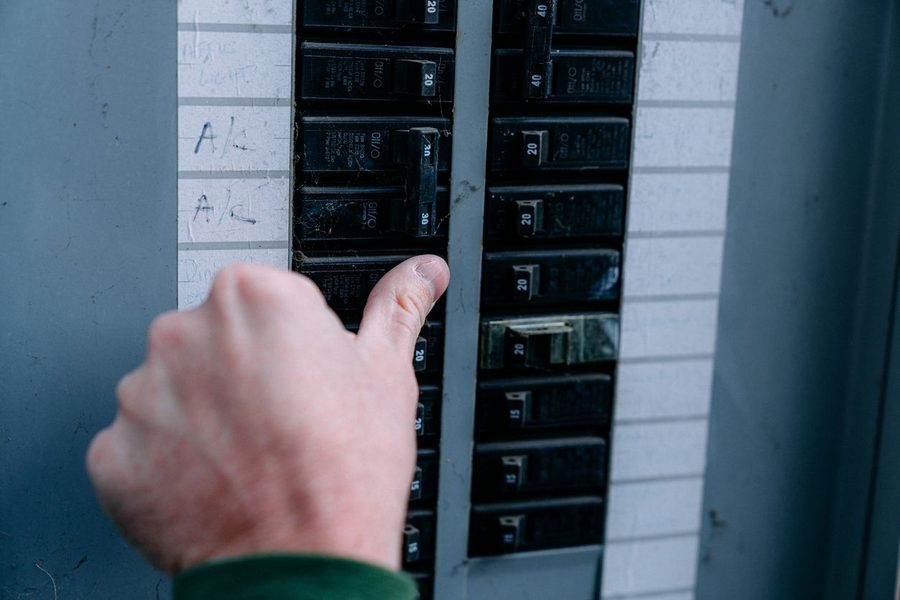
Can You Connect a Generator Directly to Your Electrical Panel?
A generator should supply household circuits only through properly designed and installed transfer equipment.
Transfer equipment prevents generator power from feeding back into utility lines while utility power is unavailable. This separation is essential for electrical safety.
Never improvise a generator-to-home connection or attempt to backfeed electricity through an outlet.
Do Standby Generators Need Maintenance?
Yes. Standby generators require routine maintenance to remain ready for an outage.
Depending on the equipment, maintenance may include oil and filter service, battery inspection, electrical checks, fuel-system inspection, visual checks, and verification that automatic functions operate correctly.
Follow the generator manufacturer’s maintenance schedule rather than relying on a universal service interval.
Portable or Standby Generator: Which Is Right for Your Las Vegas Home?
A portable generator may be a good choice if you need to power a limited number of essentials, want a lower initial investment, and are comfortable with manual setup and safe fuel handling.
A standby generator may make more sense if automatic backup power, greater capacity, or maintaining central cooling is a priority.
The best option depends on your home’s electrical loads, outage priorities, property, budget, and desired level of convenience.
Prepare Your Las Vegas Home for an Outage With Eco Electric
Backup power should be designed around what your household actually needs to keep running. Eco Electric can help Las Vegas homeowners evaluate electrical loads, generator sizing, transfer equipment, portable generator connections, and whole-home standby generator options.
Whether you want basic emergency power or an automatic system capable of supporting more of your home, proper planning and professional electrical installation are essential.
Contact Eco Electric today to discuss your backup power needs and find the generator solution that makes sense for your Las Vegas home.

Call Eco Electric Today!
Ready to get started? Call Eco Electric today for fast, reliable service you can trust. Our team is here to answer your questions, provide a quote, and schedule your service at a time that works for you.